
DEMOGRAPHY
Study of Human Population, Fifth Edition
Study of Human Population, Fifth Edition
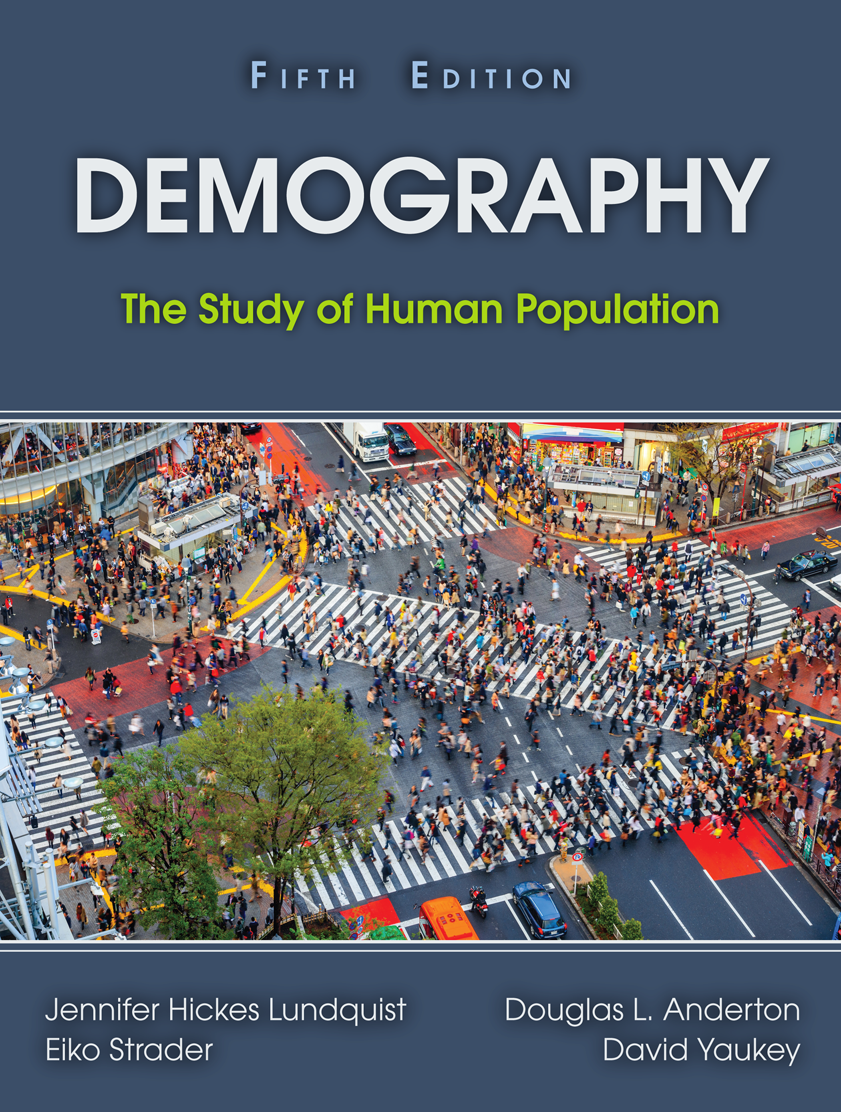
The Study of Human Population
Population processes are deeply social, and shocks reverberate unevenly across race, class, gender, and place. The pandemic reshaped fertility, mortality, migration, and family life—and made long-standing structural inequalities visible. Demographic forces influence every aspect of society, including economic development, public health, education, the labor force, environmental sustainability, and public policy. In this widely acclaimed and accessible text, the authors compare, contrast, and synthesize the population processes in which we all participate into understandable trends. Learning how population dynamics affect societies and the relations between nations and regions of the world provides a solid foundation for approaching the challenges we face today. Engaging explanations of demographic analysis prepare readers for understanding the problems of society and the policies implemented to address them.
The fifth edition is thoroughly updated with new data, examples, and discussions of emerging issues, such as the aging of the population and the growth of megacities. Extensive figures, tables, and maps highlight trends and facilitate comparisons among world regions. End-of-chapter exercises help readers become comfortable with the quantitative tools used by demographers. Propositions for debate engage readers in applying the concepts they learned. Profiles of professionals in the field showcase a wide range of career paths across public health, government statistical agencies, NGOs, tech, and the private sector. The authors’ goal is to equip readers with conceptual tools and empirical habits of mind that travel well beyond a course in demography. If future cohorts of readers insist on transparent statistics and use evidence to confront ignorance and improve human well-being, then demography will have done its job.